How Compression Stockings Affect Women's Running Performance and Recovery: What 19 Female Athletes Experienced
Compression socks for athletes
5 min read
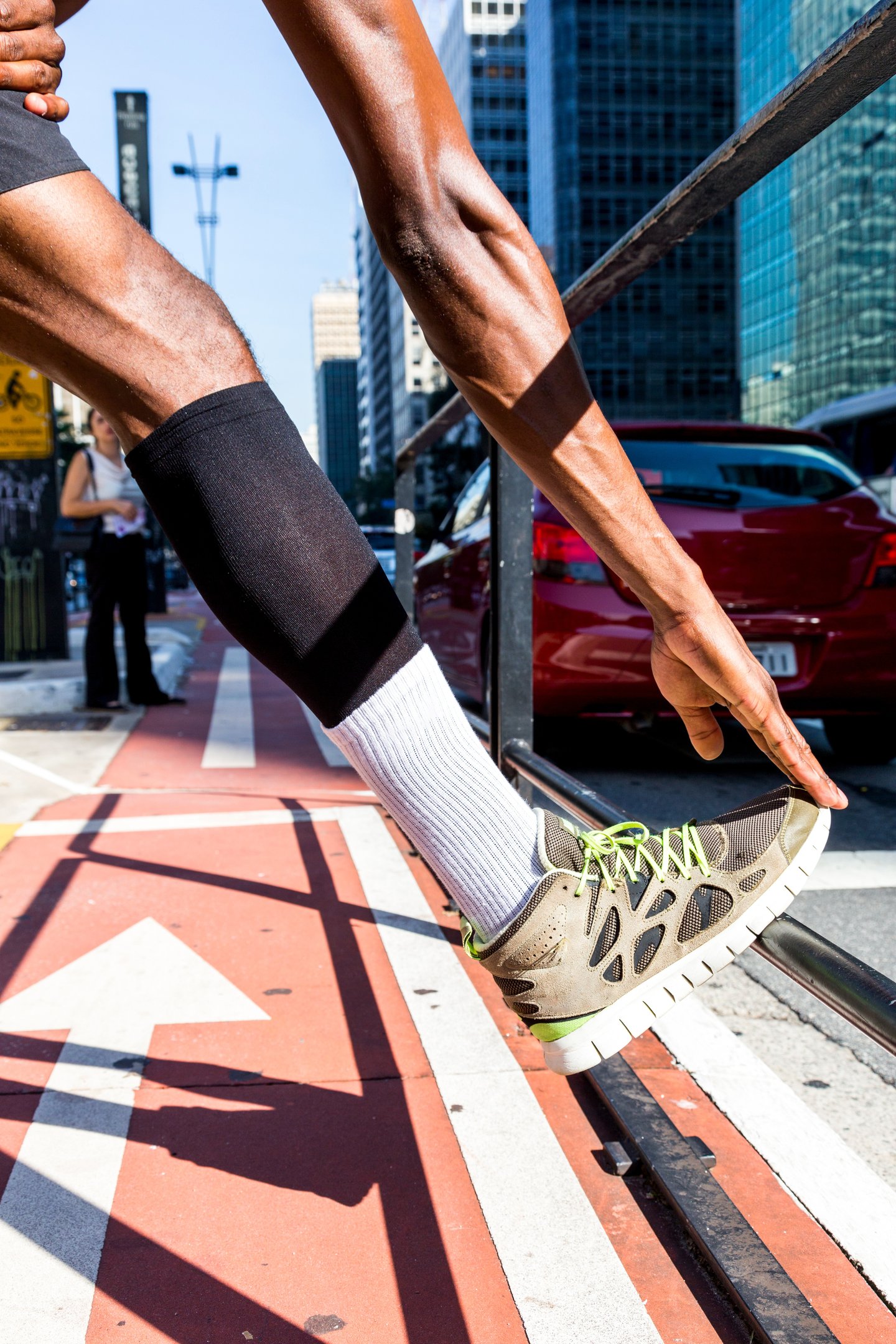
The Effect of Compression Stockings on Physiological and Psychological Responses after 5-km Performance in Recreationally Active Females
Understanding how compression affects both physical performance and psychological responses provides valuable insights for recreational athletes and fitness enthusiasts. A targeted study examining women's responses to 5-kilometer running while wearing compression reveals important findings about the relationship between compression socks benefits and perceived exercise experiences.
For many women who participate in regular running, jogging, or fitness activities, the question of whether compression garments enhance performance or recovery remains relevant. This research specifically examined how below-the-knee compression affects both measurable physiological responses and subjective perceptions during and after moderate-distance running.
Focused Research on Recreational Female Athletes
Researchers designed this study specifically to examine compression effects in recreational female athletes, a population that represents many compression sock users. The study involved nineteen women with an average age of 20 years, weight of 61.4 kilograms, and body fat percentage of 22.6%, representing typical recreational fitness enthusiasts rather than elite athletes.
Each participant completed two separate 5-kilometer running time trials separated by one week. In one trial, they wore below-the-knee compression stockings, while in the other they wore regular socks. This crossover design allowed researchers to compare each woman's performance with and without compression, eliminating individual fitness differences that might affect results.
The study measured multiple factors including 5-kilometer completion time, heart rate response, rate of perceived exertion, pain pressure threshold, muscle soreness levels, and rate of perceived recovery. This comprehensive approach captured both objective physiological responses and subjective psychological experiences.
Performance and Physiological Findings
The study revealed no significant differences in actual 5-kilometer running times between compression stockings and regular socks, with completion times averaging the same regardless of footwear choice. Similarly, heart rate responses remained unchanged whether participants wore compression or regular socks during their runs.
These findings align with other research suggesting that compression socks for running don't typically enhance actual performance metrics during moderate-intensity exercise. The body's natural cardiovascular and muscular responses during running appear sufficient for optimal performance at recreational intensity levels.
However, the lack of performance enhancement doesn't necessarily diminish the value of compression for other applications. For people who sit for long periods, experience circulation challenges, or use compression in recovery contexts, the benefits may be more apparent than during active exercise periods.
Psychological and Perceptual Responses
While compression didn't improve objective performance measures, it did influence participants' subjective experiences in interesting ways. Women wearing compression stockings reported significantly higher rates of perceived exertion, meaning they felt like they were working harder during the same exercise intensity.
Paradoxically, despite feeling like they worked harder, participants also reported less muscle soreness in their lower extremities when wearing compression stockings compared to regular socks. This combination suggests that compression may influence how exercise feels both during and after activity, even when actual physiological responses remain unchanged.
These perceptual changes highlight the importance of considering both physical and psychological aspects of compression use. For some users, the subjective experience improvements may be valuable even when objective performance metrics don't change significantly.
Lower Extremity Comfort and Recovery
The study found that compression stockings significantly reduced perceived muscle soreness in the lower extremities, though not specifically in the calf muscles. This pattern suggests that compression's benefits may be distributed throughout the lower leg rather than concentrated in specific muscle groups.
The reduced muscle soreness could translate to improved comfort during daily activities following exercise, potentially supporting more consistent exercise habits. For recreational athletes who exercise several times per week, reduced post-exercise discomfort might contribute to better adherence to fitness routines.
Compression socks for women and men in recreational fitness contexts may provide their greatest value through these comfort and recovery benefits rather than direct performance enhancement during exercise. This understanding helps set appropriate expectations for compression use.
Implications for Different User Groups
The findings have particular relevance for recreational female athletes and fitness enthusiasts who represent a significant portion of compression sock users. The combination of unchanged performance metrics with improved subjective recovery experiences suggests that compression's primary benefits may be comfort-related rather than performance-enhancing.
For women who participate in regular running, walking, or fitness activities, compression socks might be most valuable for post-exercise comfort and perceived recovery rather than during-exercise performance enhancement. This understanding can help guide decisions about when and how to incorporate compression into fitness routines.
Compression socks for pregnancy applications may follow different patterns, as pregnancy creates unique physiological conditions where circulation support becomes more important for comfort and health rather than athletic performance.
Psychological Benefits and Exercise Adherence
The psychological aspects of compression use shouldn't be underestimated, particularly for recreational exercisers. If compression stockings help women feel more comfortable after exercise and support their perception of recovery, these benefits could contribute to more consistent exercise participation.
For people who struggle with exercise motivation or post-workout discomfort, the subjective improvements provided by compression might support better long-term fitness habits. The value of feeling better after exercise, even if performance doesn't improve, can be significant for recreational athletes.
The study also highlights how compression affects exercise perception during activity. While feeling like you're working harder might seem negative, some users might interpret this as a sign that compression is "doing something," which could provide psychological satisfaction.
Daily Life and Non-Exercise Applications
The research reinforces that compression benefits may be most apparent in non-exercise contexts. For women who spend long hours sitting at work, traveling, or dealing with leg fatigue from daily activities, compression socks for flying and workplace use may provide more noticeable benefits than exercise applications.
Understanding that compression's primary advantages lie in comfort, recovery perception, and circulation support during sedentary periods helps users optimize their compression strategy. Rather than expecting performance gains during exercise, users can focus on applications where compression provides clear, measurable benefits.
For older women or those with circulation challenges, compression socks can provide ongoing support for leg comfort and circulation efficiency during daily activities when natural muscle pump action may be reduced or less effective.
Setting Realistic Expectations
This research helps establish realistic expectations for compression use among recreational female athletes. While compression stockings don't enhance running performance or significantly alter physiological responses, they can improve subjective recovery experiences and reduce perceived muscle soreness.
These benefits, while not performance-enhancing in a measurable sense, may still be valuable for recreational exercisers who prioritize comfort, recovery, and the overall exercise experience. Understanding the distinction between objective performance changes and subjective experience improvements helps users make informed decisions about compression use.
This research was conducted by Treseler, Bixby, and Nepocatych, who investigated how below-the-knee compression stockings affect both physiological responses and psychological perceptions during and after 5-kilometer running performance in nineteen recreationally active women.

Best compression socks
by community and science
You didn’t come this far to stop