How Marathon Training Increases Achilles Tendinopathy Risk: What Recreational Runners Need to Know
Compression socks for running
4 min read
Incidence of Achilles tendinopathy and associated risk factors in recreational runners: A large prospective cohort study
Achilles tendinopathy represents one of the most challenging running injuries, affecting approximately one in every twenty recreational runners. This painful condition, characterized by swelling, stiffness, and reduced performance in the Achilles tendon, can derail training plans and significantly impact a runner's quality of life. Understanding who is at risk and what factors contribute to this injury is essential for runners looking to maintain consistent training and avoid prolonged setbacks.
Recent comprehensive research has revealed important insights about Achilles tendinopathy occurrence patterns and risk factors, providing valuable guidance for recreational runners on prevention strategies. The findings show that certain groups of runners face significantly higher risks, while some commonly used training accessories may unexpectedly increase injury likelihood.
The Research Findings
The groundbreaking study followed 2,378 recreational runners participating in Dutch running events ranging from 5 kilometers to full marathons. Over the course of the study period, researchers identified a 5.2% overall incidence rate of Achilles tendinopathy, meaning that roughly 1 in 20 runners developed this condition. However, the risk varied dramatically depending on the type of event runners were training for.
Marathon runners faced the highest risk, with a 7.4% incidence rate of Achilles tendinopathy. This elevated risk likely reflects the increased training demands, higher weekly mileage, and greater mechanical stress that marathon preparation places on the Achilles tendon. The research showed that the peak onset period occurred in the two weeks before and immediately after running events, when training intensity and race demands are highest.
Key Risk Factors Identified
The most significant predictor of developing Achilles tendinopathy was having experienced this condition within the previous 12 months. Runners with a history of Achilles problems showed dramatically increased risk of recurrence, emphasizing the importance of complete recovery and proper rehabilitation before returning to full training.
Surprisingly, the research identified two factors that many runners consider beneficial as potential risk factors: using structured training schedules and wearing compression socks for running. While these findings require further investigation, they suggest that rigid training approaches or certain equipment choices might increase injury risk in some runners.
Male runners demonstrated higher susceptibility to Achilles tendinopathy compared to female runners, though the reasons for this gender difference remain unclear. Age patterns also emerged, with different risk profiles for insertional versus midportion Achilles tendinopathy.
Compression Socks Benefits and Considerations
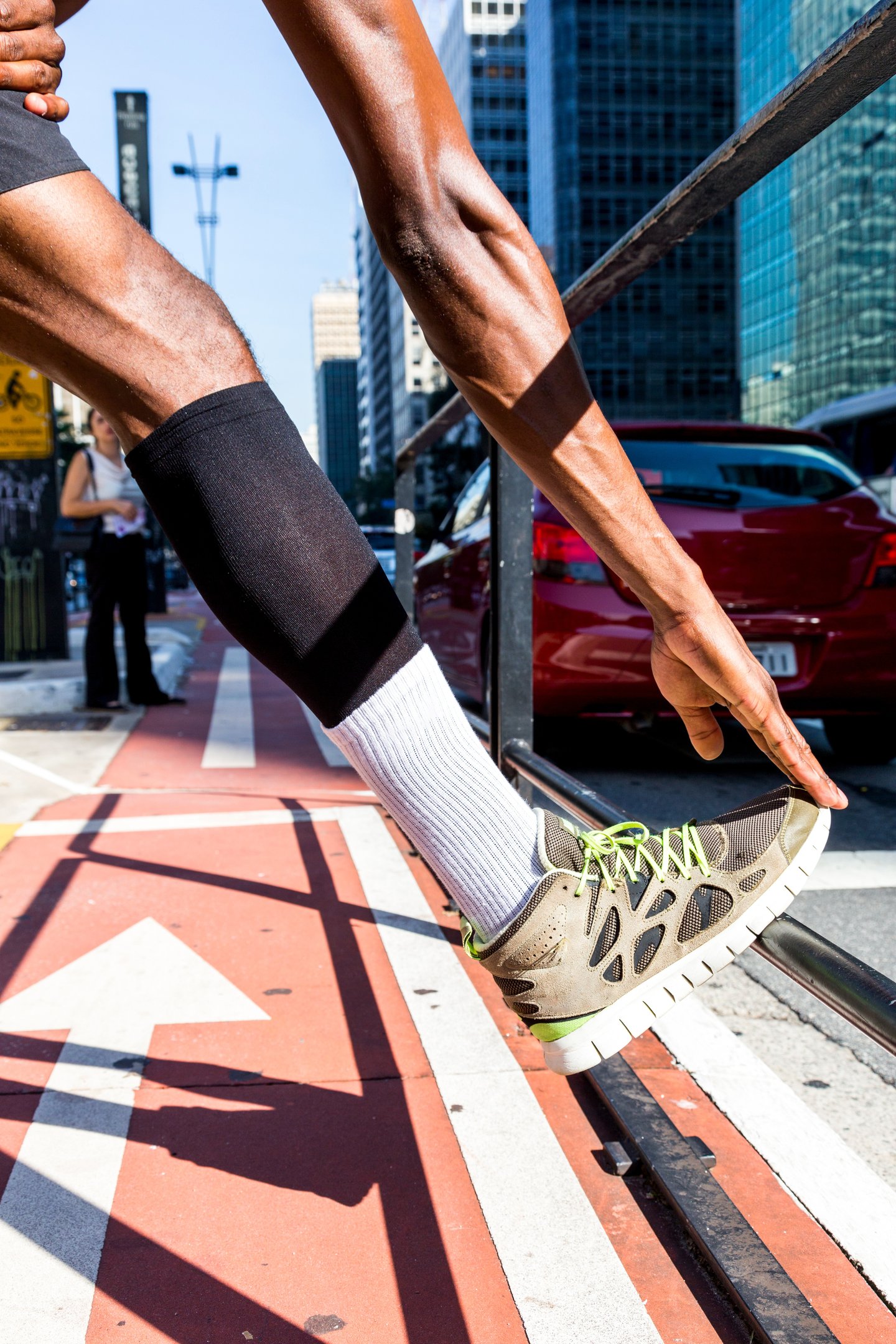
The research findings regarding compression socks present an interesting paradox for runners. While compression socks benefits typically include improved circulation, reduced muscle fatigue, and enhanced recovery, this study suggested that their use might be associated with increased Achilles tendinopathy risk in some populations.
This unexpected finding doesn't necessarily mean that compression socks for women and men are harmful, but rather highlights the complexity of injury causation. The researchers noted that compression sock users might represent a different population of runners—possibly those already experiencing some symptoms or those engaged in more intensive training regimens.
For runners currently using compression socks, this research shouldn't necessarily prompt immediate changes but rather encourage awareness of proper fit, appropriate compression levels, and attention to any developing symptoms. The key is monitoring how your body responds to any training intervention, including supportive equipment.
Practical Applications for Runners
For recreational runners, this research provides several actionable insights for Achilles tendinopathy prevention. First and most importantly, runners with any history of Achilles problems should be especially cautious about gradual return to training and may benefit from professional guidance to prevent recurrence.
Marathon runners and those training for longer distances should pay particular attention to Achilles tendon health, incorporating appropriate strength training, flexibility work, and gradual mileage increases. The higher risk associated with marathon training doesn't mean avoiding these events, but rather approaching preparation with extra care and attention to potential warning signs.
The findings about training schedules suggest that overly rigid training plans might contribute to injury risk. Runners should maintain some flexibility in their training approach, listening to their bodies and adjusting intensity or volume when experiencing early warning signs of overuse.
Prevention Strategies
While the research focused on risk factor identification rather than prevention strategies, the findings support several established injury prevention principles. Gradual progression remains crucial, particularly for runners stepping up to longer race distances or returning after a break.
Strength training that targets the calf muscles and Achilles tendon can help prepare these structures for the demands of running. Eccentric strengthening exercises, where muscles lengthen under tension, have shown particular promise for Achilles tendon health.
Recovery and load management also play essential roles. The research showed peak injury onset around major running events, suggesting that the combination of intensive training and race participation creates high-risk periods requiring extra attention to recovery and symptom monitoring.
This research was conducted by Lagas, Fokkema, Verhaar, Bierma-Zeinstra, van Middelkoop, and de Vos, who investigated the incidence rates and risk factors for Achilles tendinopathy development in a large cohort of recreational runners.


Best compression socks in EU
You didn’t come this far to stop