The Simple Solution to Exercise Recovery Pain That Keeps Beginners from Working Out
General Athletic Performance and recovery
6 min read
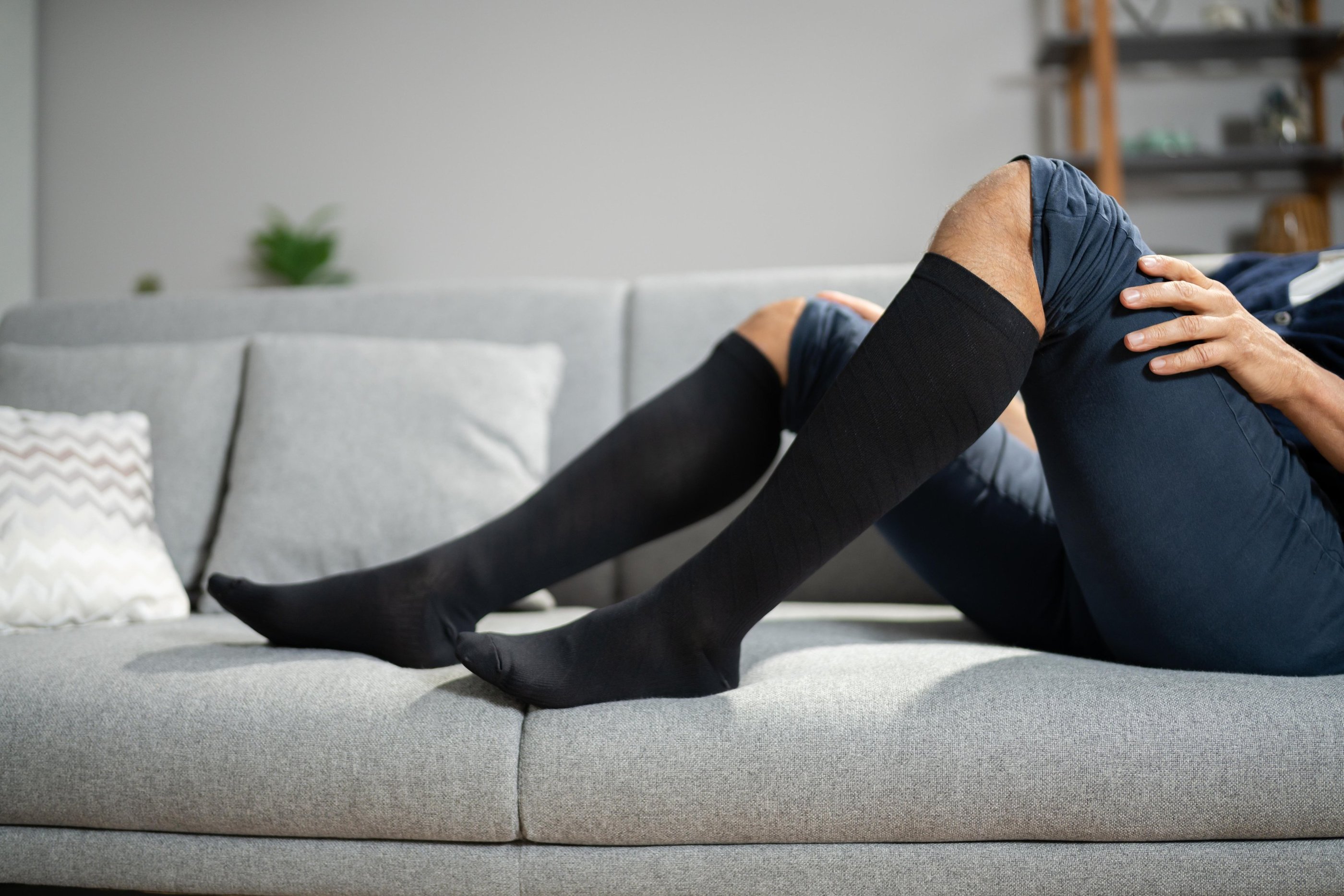
How Compression Socks Help Beginners and Insufficiently Active Adults Overcome Exercise Barriers
For millions of adults struggling to maintain regular physical activity, post-exercise muscle soreness and discomfort represent major barriers to exercise adherence. The fear of pain and prolonged recovery often leads to workout avoidance and exercise program dropout, creating a cycle that prevents people from experiencing the long-term health benefits of physical activity. Recent research reveals that compression socks for running and exercise can provide significant relief for this often-overlooked population.
This groundbreaking study specifically examined insufficiently active adults—individuals averaging just 60 minutes of physical activity per week—to determine whether compression socks could reduce the recovery barriers that keep people from establishing consistent exercise habits. The findings offer hope and practical solutions for millions of adults seeking to improve their fitness levels without the intimidating prospect of severe post-exercise discomfort.
Understanding the Insufficiently Active Population
Insufficiently active adults represent a large segment of the population who exercise less than the recommended 150 minutes of moderate-intensity activity per week. These individuals often experience more severe muscle soreness and longer recovery times compared to trained athletes, making each workout a potentially unpleasant experience that discourages continued participation.
Unlike athletic populations where compression sock research typically focuses, insufficiently active adults have different physiological responses to exercise. They may lack the adaptations that help trained individuals recover quickly, making post-exercise discomfort more pronounced and longer-lasting. This creates a significant barrier to exercise adoption and long-term adherence.
Compression socks benefits for this population could extend beyond performance enhancement to address fundamental obstacles that prevent people from maintaining active lifestyles.
Research Design and Participants
The comprehensive study examined ten insufficiently active adults, 60% female, who averaged approximately one hour of physical activity per week. This participant profile accurately represents the millions of adults who struggle to meet basic physical activity guidelines despite understanding the importance of exercise for health.
Each participant completed two graded maximal treadmill tests separated by adequate recovery time. One test involved wearing below-knee compression socks, while the other used regular socks as a control. The randomized design ensured that any differences resulted from compression sock use rather than other factors.
Researchers measured both immediate exercise responses (heart rate, blood lactate, perceived exertion) and recovery variables over 48 hours following exercise. The recovery measurements included assessments of soreness, tightness, annoyance, tenderness, and pulling sensations—all factors that could influence someone's willingness to exercise again.
Key Findings on Exercise Performance
During the actual exercise tests, compression socks showed no significant effects on physiological variables. Heart rate responses, blood lactate levels, and perceived exertion remained similar whether participants wore compression socks or regular socks. This finding indicates that compression socks don't make exercise feel easier during the activity itself for insufficiently active adults.
The lack of immediate performance benefits aligns with previous research showing that compression socks rarely enhance acute exercise capacity. For insufficiently active adults, this means compression socks won't necessarily make workouts feel easier while exercising, but this doesn't diminish their potential value for other aspects of the exercise experience.
The research focused on maximal exercise testing, which represents a more intense stimulus than most insufficiently active adults would typically encounter during regular fitness activities. This suggests the findings may be conservative estimates of compression sock benefits during moderate-intensity exercise.
Dramatic Recovery Improvements
The most significant findings emerged in the recovery phase, where compression socks provided remarkable benefits for insufficiently active adults. At 24 hours post-exercise, recovery variables showed improvements ranging from 34.6% to 42.3% when participants wore compression socks compared to regular socks.
Even more impressive were the 48-hour recovery measurements, which showed improvements of 40.3% to 61.4% across various recovery indicators. These substantial differences mean that participants experienced significantly less soreness, tightness, and general discomfort in the days following exercise when they used compression socks.
For insufficiently active adults, this level of recovery improvement could transform the post-exercise experience from a dreaded period of discomfort into a manageable aspect of fitness participation. Such dramatic reductions in recovery symptoms address one of the primary barriers preventing exercise adherence in this population.
Addressing Exercise Adherence Barriers
The research findings have profound implications for exercise adherence among insufficiently active adults. Post-exercise muscle soreness and discomfort rank among the most frequently cited reasons for poor exercise program adherence and high dropout rates, particularly among beginners and occasional exercisers.
Compression socks for women and men in this population could remove a significant psychological and physical barrier to regular exercise participation. When people experience dramatically less post-exercise discomfort, they're more likely to view exercise positively and maintain consistent workout schedules.
The study suggests that compression socks may be particularly valuable during the initial phases of exercise program adoption, when insufficiently active adults are most vulnerable to dropout due to unexpected soreness and discomfort.
Practical Implementation for Beginners
Unlike athletic populations who may use compression socks for performance optimization, insufficiently active adults can view these garments as recovery and adherence tools. The research protocol required wearing compression socks only during exercise and for ten minutes afterward, making implementation simple and practical.
This limited wear time addresses potential concerns about cost, comfort, or complexity that might deter insufficiently active adults from trying compression socks. The significant recovery benefits achieved with minimal use time make compression socks an accessible intervention for people beginning or returning to exercise.
For fitness professionals working with insufficiently active clients, compression socks represent an evidence-based tool for reducing recovery barriers that commonly derail exercise programs. The substantial improvements in subjective recovery measures could help clients maintain motivation during the challenging early phases of fitness development.
Broader Health and Fitness Implications
The research findings extend beyond individual exercise experiences to broader public health considerations. If compression socks can meaningfully reduce exercise-related barriers for insufficiently active adults, they could contribute to increased physical activity participation at the population level.
The study's focus on insufficiently active adults fills an important gap in compression sock research, which has predominantly examined athletic populations. This research demonstrates that compression benefits aren't limited to elite athletes but extend to exactly the population that faces the greatest challenges with exercise adoption and adherence.
For healthcare providers counseling patients about physical activity adoption, compression socks offer a practical, evidence-based recommendation for reducing one of the primary obstacles to exercise participation.
Long-term Training Implications
While the study examined acute responses to single exercise sessions, the implications for long-term training adaptation are significant. Insufficiently active adults who experience less post-exercise discomfort may be more likely to maintain consistent training schedules, leading to better fitness improvements over time.
The enhanced recovery could also allow insufficiently active adults to progress more quickly through exercise programs, as reduced muscle soreness may permit more frequent training sessions or faster advancement in exercise intensity.
For individuals with chronic pain conditions or those who fear exercise-induced discomfort, compression socks could provide the confidence needed to begin or restart physical activity programs under professional guidance.
Cost-Effectiveness and Accessibility
Compression socks represent a relatively low-cost intervention compared to other strategies for improving exercise adherence and recovery. The significant benefits achieved with standard compression socks make this intervention accessible to most insufficiently active adults considering exercise program adoption.
The simplicity of use—wearing compression socks during exercise and briefly afterward—requires no special training, equipment, or ongoing costs beyond the initial purchase. This accessibility makes compression socks a practical recommendation for broad implementation among insufficiently active populations.
The dramatic recovery improvements observed in the study suggest that compression socks could provide excellent value for insufficiently active adults seeking to overcome exercise-related barriers without significant financial investment.
This research was conducted by Montoye, Mithen, Westra, Besteman, and Rider, who evaluated the effects of compression socks on exercise performance and recovery from graded maximal treadmill testing in insufficiently active adults.
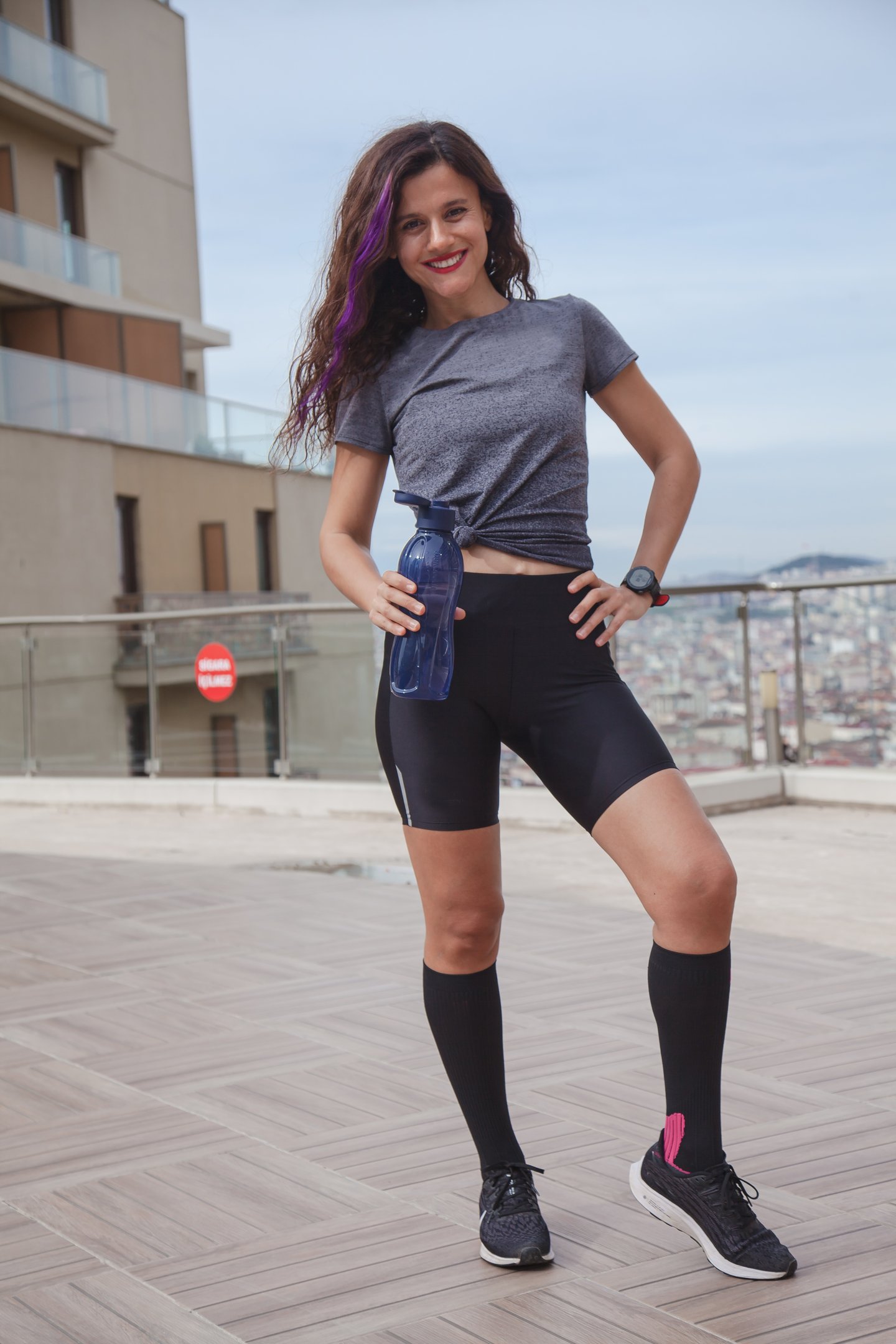
Best compression socks in EU
You didn’t come this far to stop