The Truth About Compression During Exercise: What 10-40mmHg Actually Does to Your Cardiovascular System
General Athletic Performance and recovery
5 min read
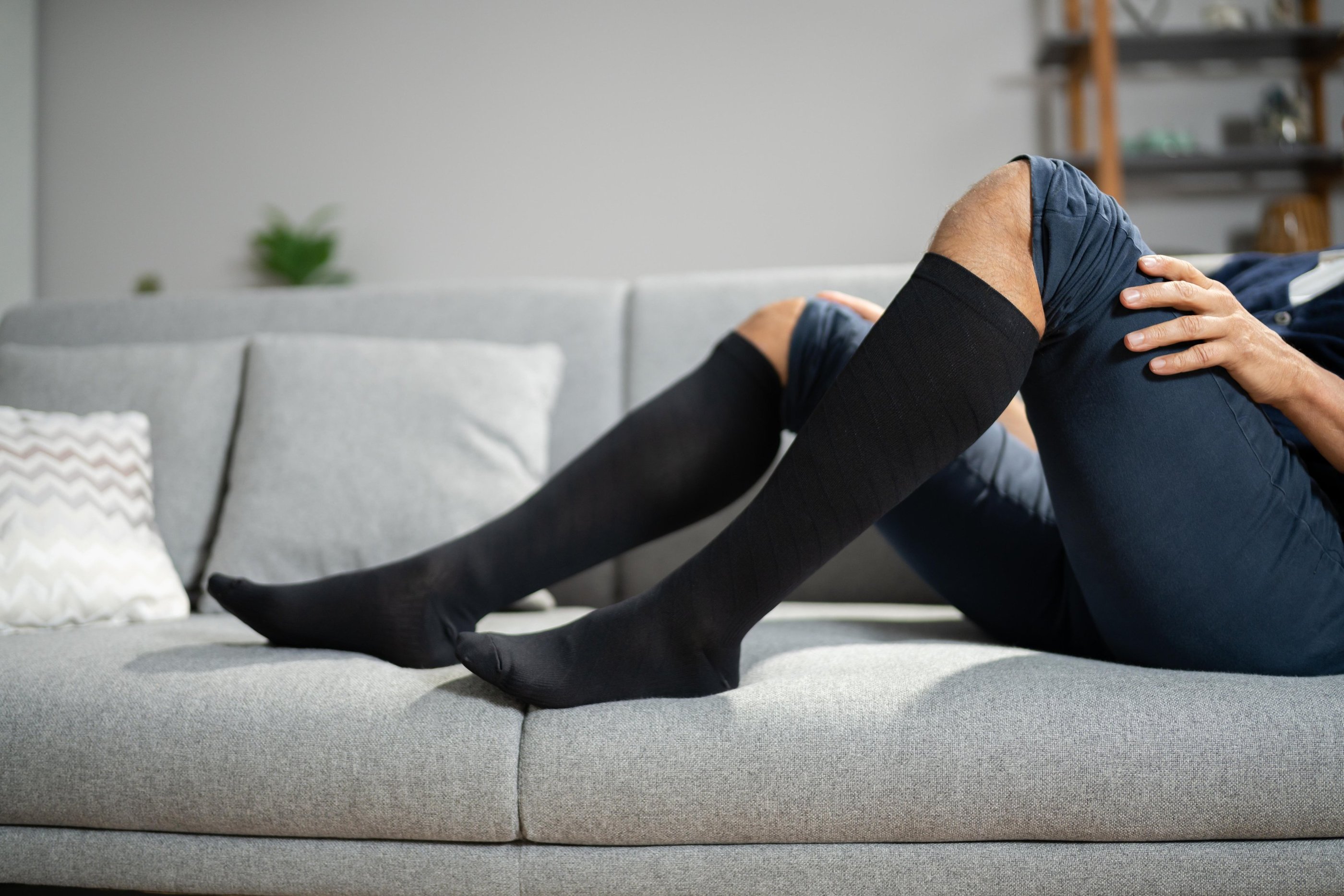
Cardio-respiratory and metabolic responses to different levels of compression during submaximal exercise
Understanding how compression affects your body's cardiovascular and metabolic systems during exercise provides essential insights for anyone considering compression socks benefits for athletic performance or daily activity. A comprehensive study examining multiple compression levels reveals important findings about when external pressure supports—or doesn't enhance—your body's natural responses to physical activity.
During exercise, your cardiovascular system must coordinate complex changes to deliver oxygen to working muscles while removing metabolic waste products. Heart rate increases, stroke volume adjusts, and cardiac output rises to meet these demands. The question researchers sought to answer was whether external compression could enhance these natural adaptations or provide additional benefits during moderate-intensity exercise.
Comprehensive Research Design
Researchers conducted a thorough investigation to test whether different compression levels would affect cardiovascular and metabolic responses during exercise. The study involved fifteen well-trained male endurance athletes with an average age of 22.2 years and impressive cardiovascular fitness, demonstrated by their peak oxygen uptake of 57.2 mL per minute per kilogram of body weight.
Each participant completed five separate testing sessions using knee-high compression socks with different pressure levels: no compression (0 mmHg), light compression (10 mmHg), moderate compression (20 mmHg), higher compression (30 mmHg), and high compression (40 mmHg). This comprehensive range covers all compression levels available in commercial compression socks for women and men, from everyday support to medical-grade pressure.
The testing protocol required participants to perform submaximal running at approximately 70% of their peak oxygen uptake—a moderate intensity that represents typical training or recreational exercise levels. This intensity choice makes the findings particularly relevant for people using compression during daily activities, work-related movement, or moderate exercise routines.
Extensive Physiological Monitoring
Throughout each testing session, researchers monitored multiple cardiovascular and metabolic parameters to capture a complete picture of how compression affected exercise responses. The measurements included cardiac output and cardiac index, stroke volume, arterio-venous oxygen difference, oxygen uptake, arterial oxygen saturation, heart rate, and blood lactate levels.
These comprehensive measurements allowed researchers to assess whether compression influenced the heart's pumping efficiency, the body's oxygen delivery capacity, metabolic efficiency, or the cardiovascular system's overall response to exercise demands. The extensive monitoring provided a thorough evaluation of compression's potential effects on exercise physiology.
The study design also included measurements both before and during exercise, enabling researchers to distinguish between compression effects on resting physiology versus exercise responses. This approach helps clarify whether compression benefits are most relevant during active periods or rest phases.
Clear and Consistent Findings
The research revealed remarkably consistent results across all measured parameters. None of the compression levels—whether light, moderate, higher, or high pressure—affected any cardiovascular or metabolic responses during submaximal exercise. Heart rate, stroke volume, cardiac output, oxygen uptake, oxygen saturation, and lactate levels remained unchanged regardless of the compression level worn.
These findings indicate that during moderate-intensity exercise, the body's natural cardiovascular and metabolic adaptations are highly effective and don't require external compression support to function optimally. The cardiovascular system's natural responses to exercise demands appear sufficient for maintaining efficient oxygen delivery and metabolic function at these activity levels.
This doesn't diminish the established benefits of compression socks for running in other contexts, such as recovery periods, travel situations, or for individuals with specific circulation challenges. Rather, it clarifies that compression's primary benefits may not involve enhancing cardiovascular performance during typical exercise intensities.
Implications for Daily Compression Use
The research findings have important practical implications for people using compression socks in various daily situations. For individuals engaged in moderate-intensity exercise—such as brisk walking, recreational jogging, or gym workouts—the cardiovascular and metabolic benefits will come primarily from the exercise itself rather than from external compression.
However, this understanding doesn't reduce the value of compression in sedentary situations. For people who sit for extended periods at work, during travel, or due to mobility limitations, compression socks can provide circulation support when natural muscle pump action is reduced and cardiovascular demands are lower than during exercise.
Compression socks for pregnancy applications remain important because pregnancy creates unique physiological conditions where circulation patterns are altered and exercise capacity may be limited. In these situations, external compression support can help maintain circulation efficiency when natural mechanisms face additional challenges.
Travel and Occupational Applications
The findings help clarify why compression socks for flying provide clear benefits despite showing minimal effects during exercise. Air travel combines prolonged immobility with cabin pressure changes and gravitational challenges—conditions very different from active exercise where natural cardiovascular responses are highly effective.
Similarly, for people who stand all day in occupational settings, compression can provide ongoing circulation support during periods when cardiovascular demands are elevated by prolonged standing but don't reach the levels that trigger optimal natural exercise adaptations.
Understanding that compression doesn't enhance cardiovascular responses during moderate exercise helps users set appropriate expectations and focus compression use on applications where benefits are most significant and measurable.
Recovery and Rest Period Benefits
While compression showed no effects on cardiovascular and metabolic responses during exercise, the implications for recovery periods may be different. During post-exercise recovery, when cardiovascular function returns to baseline levels, external compression might provide more noticeable support for circulation efficiency and metabolic waste removal.
Many athletes and active individuals report subjective benefits from wearing compression during recovery periods following training or competition. These benefits may relate to comfort, perceived support, or psychological factors rather than measurable changes in cardiovascular function.
For older adults or individuals with circulation challenges, compression socks can provide ongoing support during daily activities when natural cardiovascular responses may be less robust than in young, well-trained athletes who participated in this research.
Practical Guidance for Users
The research provides clear guidance for optimizing compression sock use based on scientific evidence rather than marketing claims. For active individuals, compression benefits are most likely during non-exercise periods—travel, work, recovery, or daily activities—rather than during moderate-intensity physical activity.
For people with sedentary lifestyles or circulation challenges, compression can provide valuable ongoing support for maintaining circulation efficiency during daily activities when natural cardiovascular responses aren't activated by exercise demands.
The findings also suggest that moderate compression levels are sufficient for most applications, as higher pressures don't provide additional cardiovascular or metabolic benefits during activity and may potentially interfere with natural physiological responses.
This research was conducted by Sperlich, Haegele, Krüger, Schiffer, Holmberg, and Mester, who investigated how five different compression levels affect cardiovascular and metabolic responses during submaximal exercise in fifteen well-trained male endurance athletes.
Best compression socks in EU
You didn’t come this far to stop