Why Do Marathon Runners Need Compression Socks for Gut Health?
Compression socks for running
3 min read
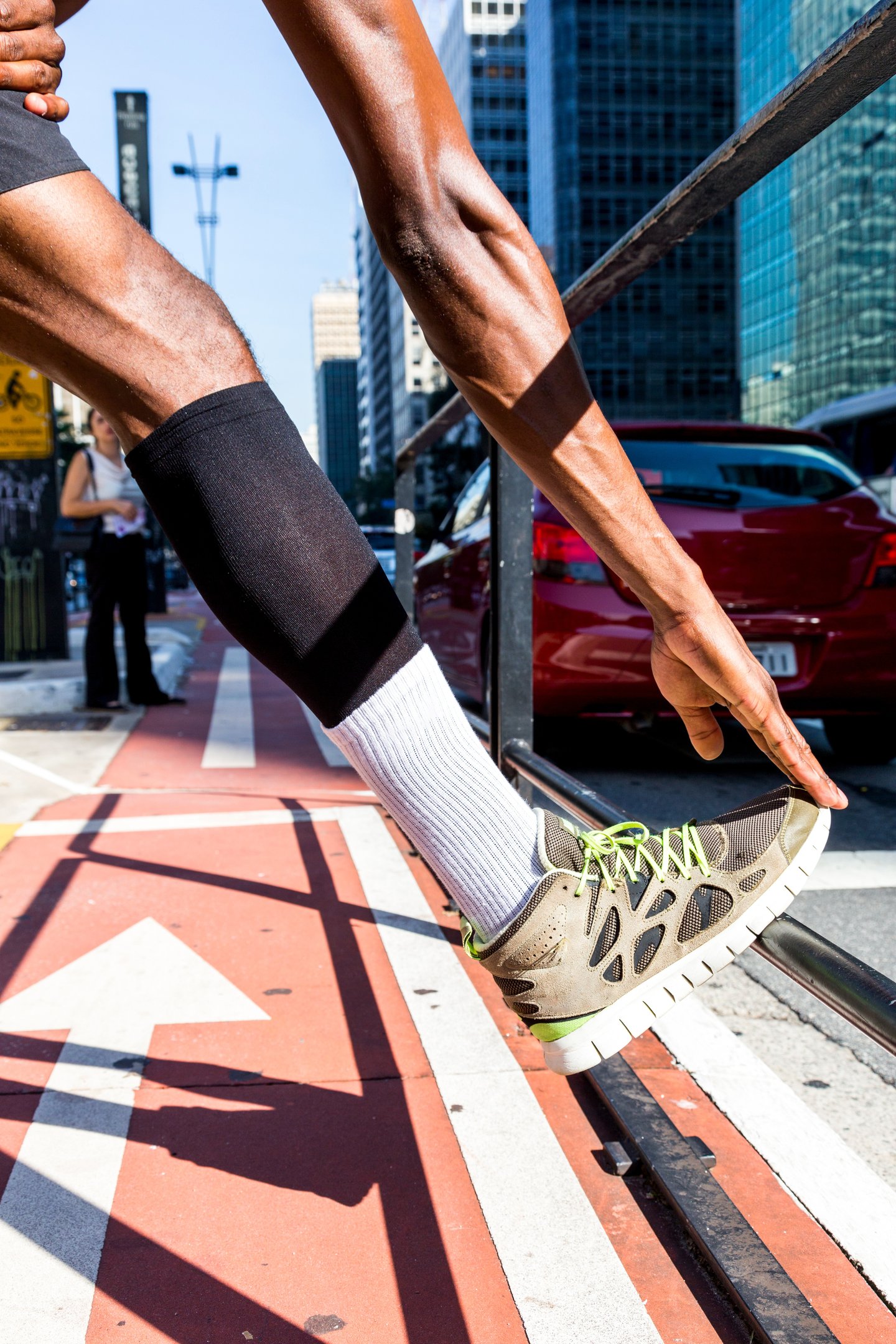
Compression Socks Reduce Running-Induced Intestinal Damage
Long-distance running, particularly marathon running, can cause unexpected damage to your digestive system. During intense exercise, your body redirects blood flow away from your intestines to support your working muscles, leading to what researchers call "exercise-induced gastrointestinal syndrome." This condition can cause intestinal damage that affects both your immediate recovery and future performance.
Recent research has revealed that compression socks for running may offer a surprising solution to this problem. The study shows that runners who wore compression socks during a marathon experienced significantly less intestinal damage compared to those who ran without them.
How Exercise Affects Your Intestines
When you run, especially during long distances, your body naturally reduces blood flow to your digestive organs to prioritize the muscles you're actively using. This reduction in what scientists call "splanchnic blood flow" can compromise the integrity of your intestinal lining, leading to cellular damage and inflammation.
This intestinal damage isn't just a minor inconvenience – it can contribute to the gastrointestinal problems many runners experience, including nausea, cramping, and digestive discomfort during and after races. For serious runners, this can significantly impact training consistency and race performance.
The Protective Effect of Compression Socks
The groundbreaking research examined 46 marathon runners who were randomly assigned to either wear compression socks or run without them. Blood samples were taken 24 hours before the race and immediately after to measure intestinal fatty acid-binding protein (I-FABP), a reliable marker of intestinal cellular damage.
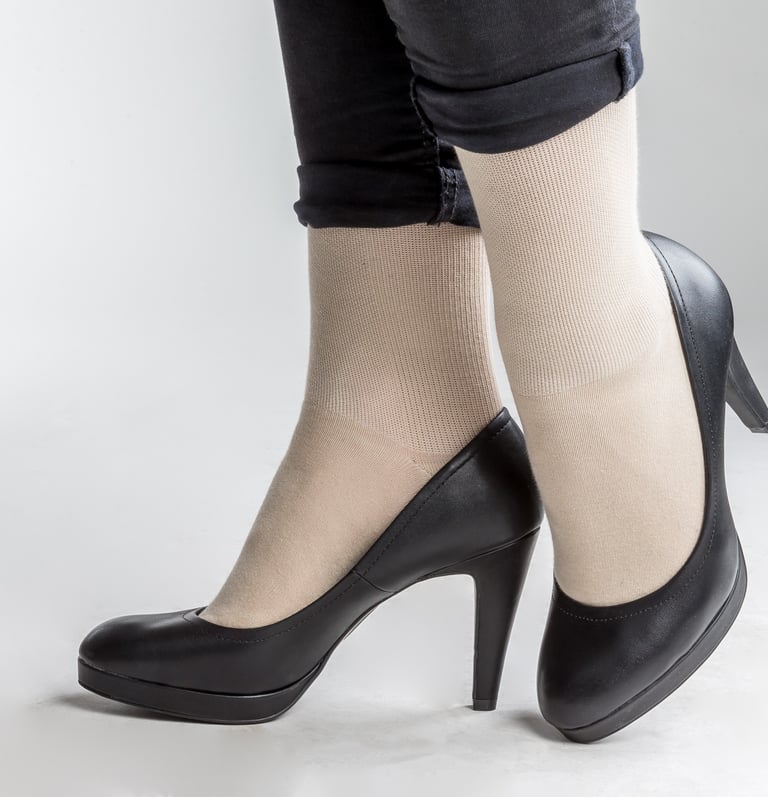
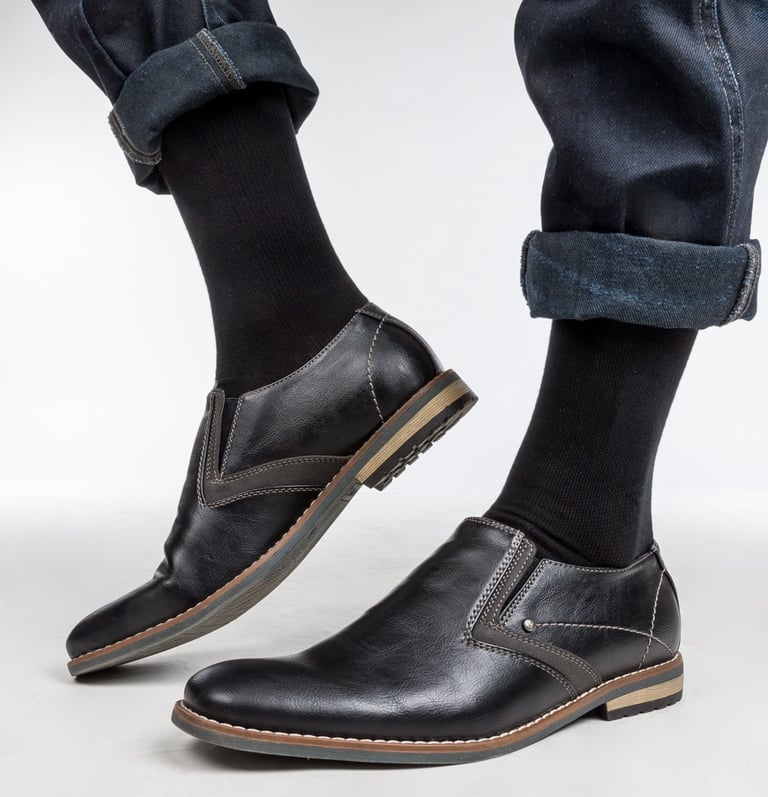
The results were striking: runners in the control group showed a 107% increase in intestinal damage markers, while those wearing compression socks for women and men experienced only a 38% increase. This represents a significant reduction in exercise-induced intestinal damage.
Why Compression Socks Help
Compression socks benefits extend beyond just improving circulation in your legs. By applying graduated pressure that's strongest at the ankle and gradually decreases up the leg, compression socks help maintain better overall blood flow during exercise. This improved circulation may help preserve blood flow to vital organs, including your intestines, even during intense physical activity.
The compression also supports your body's natural muscle pump mechanism, which helps push blood back toward your heart more efficiently. This enhanced circulation may be the key factor in protecting your intestinal lining from the damage typically caused by prolonged exercise.
Practical Applications for Runners
For runners concerned about gastrointestinal issues during training and races, incorporating compression socks into your routine could provide meaningful protection. This is particularly relevant for:
Marathon and ultra-marathon runners who are at higher risk for intestinal damage
Athletes who frequently experience digestive issues during or after long runs
Runners looking to optimize their recovery between training sessions
Anyone participating in endurance events where gastrointestinal problems are common
The compression socks for running used in this study were standard athletic compression socks, making this intervention accessible to recreational and competitive runners alike.
Beyond Intestinal Protection
While intestinal damage reduction is a newly discovered benefit, compression socks offer additional advantages for runners. They can help reduce muscle soreness, improve recovery time, and may decrease the risk of certain running-related injuries. The improved circulation that protects your intestines also supports faster removal of metabolic waste products from your muscles.
For runners who already experience benefits from compression socks, this research provides additional evidence supporting their use. For those who haven't tried them, the potential for reducing exercise-induced intestinal damage adds another compelling reason to consider adding compression socks to your running gear.
This research opens up new possibilities for protecting athletes from the hidden consequences of intense exercise, suggesting that simple interventions like compression socks can have far-reaching benefits beyond their intended purpose.
This research was conducted by Zadow, Edwards, Kitic, Fell, and colleagues, who investigated whether compression garments could reduce exercise-associated intestinal damage by improving central blood flow during marathon running.


Best compression socks in EU
Proven by community and science